



Paper Mario: The Thousand-Year Door vs Super Paper Mario
Side-by-side comparison of features, pricing, ratings, and alternatives.
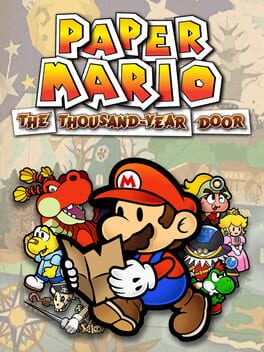
Paper Mario: The Thousand-Year Door is a turn‑based role‑playing game and the second entry in the Paper Mario series. Set in a whimsical world that looks like paper, players guide Mario through themed locations, solving puzzles and battling enemies with a timing‑based combat system that rewards well‑timed button presses. The story follows Mario’s quest to collect seven Crystal Stars, rescue Princess Peach from the alien X‑Nauts, and uncover the mystery behind the fabled Thousand‑Year Door, all while recruiting quirky companions and equipping badges for new abilities.
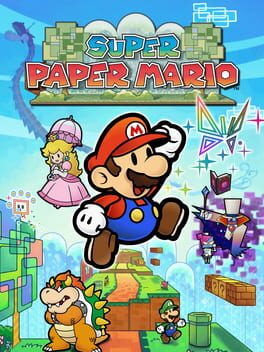
Super Paper Mario is a unique dimension-shifting platformer and action RPG released for the Nintendo Wii. When a mysterious top-hatted villain abducts Princess Peach and forces her into a wedding with Bowser, a rift of dark energy threatens to tear the universe apart. Mario must embark on an epic quest across multiple worlds to collect the pure hearts and stop the impending apocalypse. Blending classic side-scrolling 2D action with a groundbreaking 3D perspective flip mechanic, the game introduces puzzle-solving elements alongside traditional role-playing progression. Players can control multiple characters including Mario, Peach, Bowser, and Luigi, each with distinct abilities essential for overcoming obstacles, defeating enemies, and unraveling the humorous storyline.
- Engaging story with charming humor
- Deep badge customization system
- Varied party members with unique abilities
- Beautiful paper‑style visuals
- Innovative 2D to 3D dimension-shifting mechanic
- Hilarious and engaging storyline with memorable characters
- Multiple playable characters with distinct abilities
- Charmingly stylized paper-craft visual aesthetic
- Single‑player only limits replay with friends
- Combat can feel repetitive after extended play
- Some puzzles rely heavily on specific badge combos
- Leans more heavily into platforming than traditional turn-based Paper Mario RPG combat
- Some puzzles can feel obscure without experimentation
- Wii remote controls are mandatory for certain gameplay elements
More alternatives & similar tools
Alternatives to Paper Mario: The Thousand-Year Door
View all →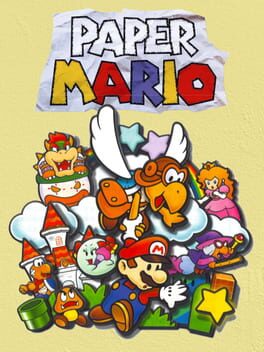
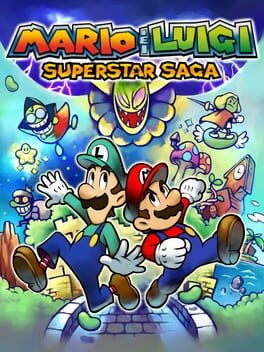
A comedic RPG adventure where brothers team up with Bowser to rescue Peach.
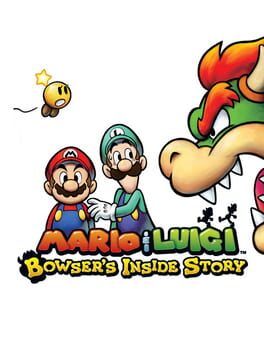
A comedic RPG where you battle inside Bowser’s belly and the Mushroom Kingdom alike
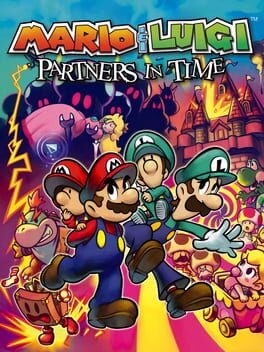
Time‑traveling brothers team up with their babies to save the kingdom
Alternatives to Super Paper Mario
View all →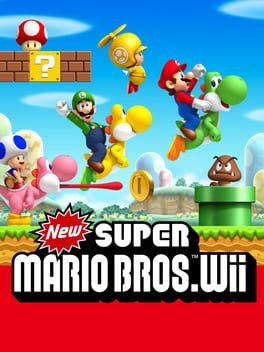
Join Mario, Luigi, and Toads on a 2.5D side-scrolling platform adventure to rescue Princess Peach.
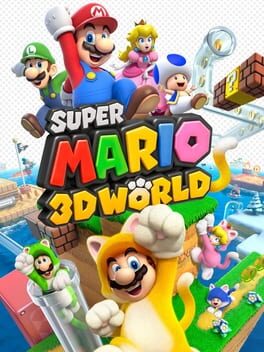
Team up with friends in this cooperative 3D platforming adventure on the Wii U.
The Verdict
AI-generated from listing dataSuper Paper Mario offers innovative 2D‑to‑3D shifting and multiple playable characters, while Paper Mario: The Thousand‑Year Door delivers deeper RPG mechanics and higher critical acclaim.
Key differences
- •Gameplay focus: Super Paper Mario emphasizes platforming and dimension‑shifting; Thousand‑Year Door centers on turn‑based, timing‑based combat and badge customization.
- •Critical reception: Thousand‑Year Door has a 90/100 critic score versus 78/100 for Super Paper Mario.
- •Price: Super Paper Mario costs $49.99, while Thousand‑Year Door is $39.99.
- •Character roster: Super Paper Mario lets you play as Mario, Luigi, Peach, and Bowser; Thousand‑Year Door mainly features Mario with brief Peach/Bowser segments.
- •Puzzle style: Super Paper Mario includes obscure platform puzzles; Thousand‑Year Door relies on badge‑driven environmental puzzles.
Gameplay & fun factor
Both are single‑player platform‑adventure games; one leans to platforming, the other to RPG combat, appealing to different tastes.
Platform availability
Both are Nintendo titles released for the same generation (Wii); no difference in platform support.
Price & value
Thousand‑Year Door costs $39.99 versus $49.99 for Super Paper Mario, offering lower upfront cost.
Multiplayer / co‑op
Both are single‑player only; no multiplayer advantage either way.
Content & replayability
Higher critic score (90 vs 78) and deeper badge system suggest more lasting depth in Thousand‑Year Door.
Difficulty & accessibility
Super Paper Mario’s ESRB E/PEGI 3 rating is slightly more family‑friendly than Thousand‑Year Door’s PEGI 7.
Graphics & performance
Both use the same paper‑craft visual style; no factual distinction in graphics quality.
Choose Paper Mario: The Thousand-Year Door if…
Players seeking a deeper RPG experience with badge customization and higher critical praise.
Choose Super Paper Mario if…
Players who love platforming, dimension‑shifting puzzles, and multiple main characters.
Common questions
Which game is cheaper?
Paper Mario: The Thousand‑Year Door is $39.99; Super Paper Mario is $49.99.
Which title has better reviews?
Thousand‑Year Door has a critic score of 90/100, compared to 78/100 for Super Paper Mario.
Do either of these support multiplayer?
No. Both are single‑player only.