



Mortal Kombat: Deadly Alliance vs Mortal Kombat
Side-by-side comparison of features, pricing, ratings, and alternatives.
Mortal Kombat: Deadly Alliance marks the legendary franchise's explosive debut on sixth-generation home consoles. Two powerful sorcerers, Shang Tsung and Quan Chi, have forged a pact to achieve immortality, threatening the very existence of Earthrealm. Experience a completely revamped fighting engine featuring multiple distinct fighting stances for every character. Battle with returning favorites like Sub-Zero and Scorpion alongside dangerous newcomers while executing brutal fatalities in fully 3D interactive environments.
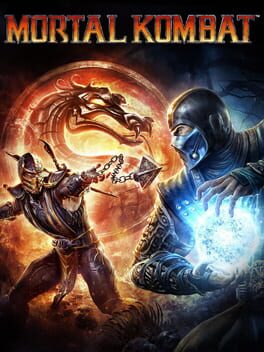
Mortal Kombat returns with its signature over‑the‑top violence and deep fighting mechanics, delivering a visceral experience across PlayStation 3, PC, and Xbox 360. The game blends classic arcade style with a modern story mode, letting players master a roster of iconic characters. The title features graphic fatalities, a robust multiplayer suite, and extensive customization, cementing its place as a staple of the fighting genre for mature audiences.
- Completely revamped and deeper fighting mechanics
- Visually impressive full 3D character models and arenas
- Great mix of classic returning fighters and fresh newcomers
- Engaging multiple fighting stance system for tactical variety
- Deep roster with diverse fighting styles
- High‑quality graphics and brutal visual effects
- Robust online and local multiplayer options
- Engaging story mode with cinematic cutscenes
- Single-player content can feel limited compared to later franchise entries
- Some character balance issues among the massive roster
- Interactive environment elements have limited depth
- Graphic violence limits younger audiences
- Occasional online matchmaking latency
- Limited post‑launch DLC compared to newer titles
More alternatives & similar tools
Alternatives to Mortal Kombat: Deadly Alliance
View all →
Experience intense 2D fighting action with new combos, run mechanics, and brutal fatalities.
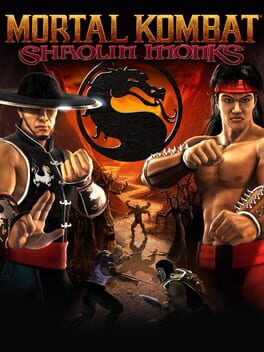
Defend Earthrealm as Liu Kang or Kung Lao in this action-packed beat 'em up.
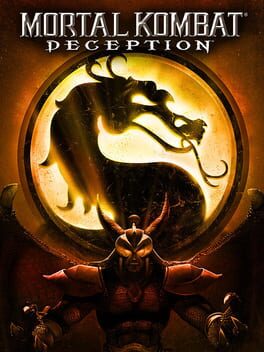
The sixth installment in the iconic fighting series featuring new modes and online play.

Alternatives to Mortal Kombat
View all →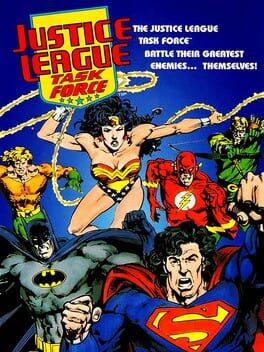
Assemble the heroes, battle the villains in classic arcade fighting.
The Verdict
AI-generated from listing dataProduct B offers a newer, higher‑rated experience with robust online play and tutorials, while Product A is cheaper but older with limited multiplayer depth.
Key differences
- •Release era and graphics: 2002 full‑3D vs 2011 high‑quality visuals.
- •Multiplayer scope: basic vs ranked online with cross‑platform matchmaking.
- •Customization: none vs extensive gear and ability tweaks.
- •Tutorial support: not mentioned vs dedicated practice mode.
- •Price: $49.99 vs $59.99.
Gameplay & fun factor
B provides a deeper roster, combos, tutorials and a robust story mode; A relies mainly on stance system.
Platform availability
B runs on PS3, PC, Xbox 360 with cross‑platform matchmaking; A's platforms not specified.
Price & value
A costs $49.99, $10 less than B, offering comparable core fighting experience.
Multiplayer / co‑op
B includes ranked online, casual matches and cross‑platform play; A only lists generic multiplayer.
Content & replayability
B adds story cinematics, character customization, and online ladders; A’s single‑player is limited.
Difficulty & accessibility
B offers a comprehensive tutorial and practice mode; A provides no such learning tools.
Graphics & performance
B’s 2011 engine delivers higher‑quality graphics than A’s 2002 full‑3D models.
Choose Mortal Kombat: Deadly Alliance if…
Budget‑conscious players who prefer classic offline fighting with a nostalgic feel.
Choose Mortal Kombat if…
Players wanting modern online competition, tutorials, and extensive customization, willing to pay more.
Common questions
Is there a price difference?
Yes. A is $49.99; B is $59.99.
Which game supports online ranked matches?
Product B supports online ranked and casual matches with cross‑platform play.
Which title has better graphics?
Product B, released in 2011, offers higher‑quality graphics than the 2002 graphics of Product A.