



Loom vs Machinarium
Side-by-side comparison of features, pricing, ratings, and alternatives.

Loom invites players into a richly illustrated fantasy world where the young apprentice Bobbin weaves reality with the power of his magical shuttle. Through point‑and‑click exploration and musical puzzles, the game tells a timeless story of curiosity, responsibility, and the consequences of altering time. Originally released in 1990 by Lucasfilm Games, Loom remains a beloved classic, praised for its atmospheric storytelling, unique soundtrack mechanic, and elegant puzzle design. It runs on modern Linux, PC, and Mac systems, preserving the original experience for new and nostalgic players alike.
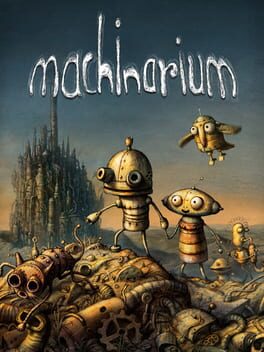
The award‑winning indie title offers a silent narrative, atmospheric music, and a richly detailed world that rewards curiosity and logical thinking. Available across all major platforms, it delivers a single‑player experience that appeals to both casual and hardcore puzzle fans.
- Innovative music‑based puzzle system
- Atmospheric hand‑drawn visuals
- Engaging, character‑driven story
- Runs natively on modern OSes
- Stunning hand‑drawn visuals
- Engaging, varied puzzles
- Atmospheric, adaptive soundtrack
- Broad platform availability
- Limited replayability after story completion
- No multiplayer or co‑op options
- Pacing can feel slow for action‑oriented players
- No spoken dialogue may deter some players
- Puzzles can become obscure without hints
- Limited replayability after completion
More alternatives & similar tools
Alternatives to Loom
View all →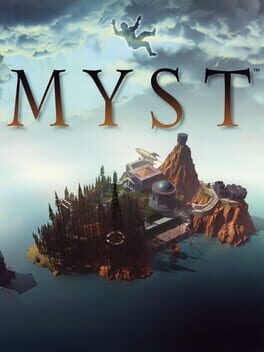



Alternatives to Machinarium
View all →
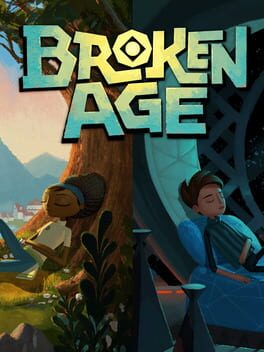

Embark on a magical point‑and‑click adventure with Jerry in the enchanted realm of Mousewood.
The Verdict
AI-generated from listing dataBoth games cost the same and offer single‑player point‑and‑click adventures, but Machinarium leans on visual storytelling and a larger puzzle set, while Loom focuses on music‑driven puzzles with voiced narrative.
Key differences
- •Narrative delivery: Machinarium is silent (no spoken dialogue); Loom includes full voiced cinematic story.
- •Puzzle style: Machinarium offers 150+ hand‑crafted visual puzzles; Loom uses a music‑shuttle system to solve puzzles.
- •Art & atmosphere: Both hand‑drawn, but Machinarium’s soundtrack adapts dynamically; Loom’s soundtrack is also dynamic but tied to music puzzles.
- •Platform specifics: Loom explicitly supports Linux, PC, Mac modern builds; Machinarium mentions cross‑platform saves but not exact OS list.
- •Replay value: Both note limited replayability after story completion.
Pricing & value
Both priced at $19.99 with a one‑time purchase.
Gameplay & fun factor
Machinarium provides over 150 varied puzzles, offering broader puzzle diversity than Loom’s music‑based system.
Platform availability
Loom explicitly supports Linux, PC, and Mac on modern hardware; Machinarium’s platforms are not fully enumerated.
Multiplayer / co‑op
Both are single‑player only.
Content & replayability
Both list limited replayability after story completion.
Difficulty & accessibility
Machinarium puzzles can become obscure without hints, indicating higher difficulty; Loom’s pacing is slower but not described as hard.
Graphics & performance
Both feature hand‑drawn visuals; no performance data provided to differentiate.
Choose Loom if…
Players who prefer a music‑driven puzzle mechanic with a fully voiced story and modern Linux/PC/Mac support.
Choose Machinarium if…
Players who want a richer variety of visual puzzles and don’t need voiced dialogue.
Common questions
Do either of these games require a subscription?
No; both are one‑time purchases at $19.99.
Is there any spoken dialogue?
Machinarium has no spoken dialogue; Loom includes full voiced cinematic dialogue.
Which game has more puzzles?
Machinarium offers over 150 hand‑crafted puzzles; Loom’s puzzle count is not specified.