



Intel Core Ultra 7 Processor 356H vs AMD Ryzen 7 9800X3D
Side-by-side comparison of features, pricing, ratings, and alternatives.

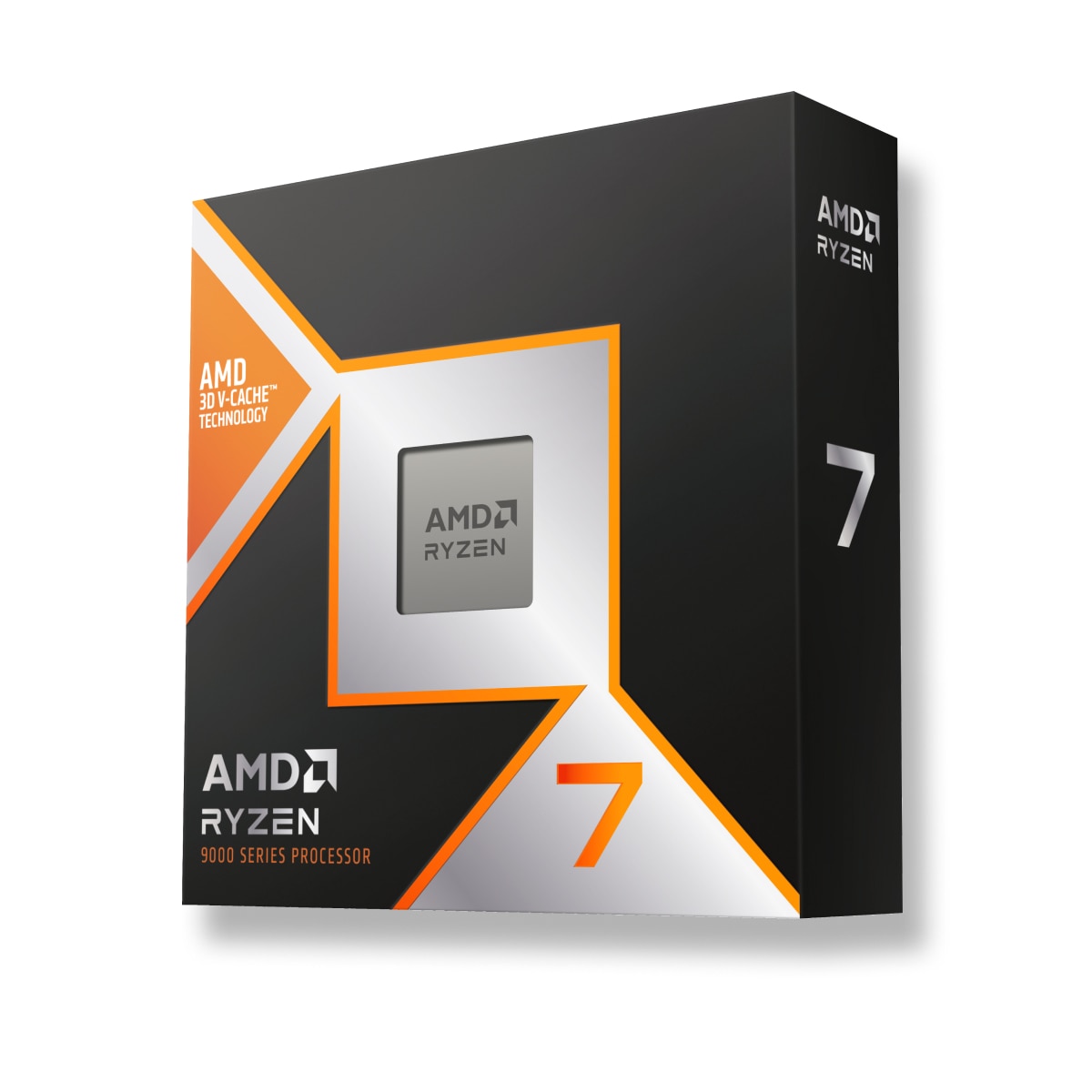
The Intel Core Ultra 7 Processor 356H is a high-performance processor with 16 cores, 18M cache, and up to 4.70 GHz frequency.
Experience the power of AMD's Ryzen 7 9800X3D, a cutting-edge processor designed to deliver exceptional performance and efficiency. With its advanced 4nm and 6nm FinFET process nodes, this CPU is perfect for gamers, content creators, and professionals who demand the best.
Contact for Pricing
- High-performance processing
- High cache memory
- High frequency
- Supports multiple threads
- Exceptional performance and efficiency
- Advanced 4nm and 6nm FinFET process nodes
- High-performance integrated graphics
- Supports latest PCIe 5.0 and DDR5 technologies
- High power consumption
- Requires advanced cooling systems
- May require additional hardware support
- High power consumption with 120W TDP
- May require expensive AM5 motherboard
- Limited overclocking capabilities
More alternatives & similar tools
Alternatives to Intel Core Ultra 7 Processor 356H
View all →A high-performance mobile processor designed for gamers and demanding creators.

Alternatives to AMD Ryzen 7 9800X3D
View all →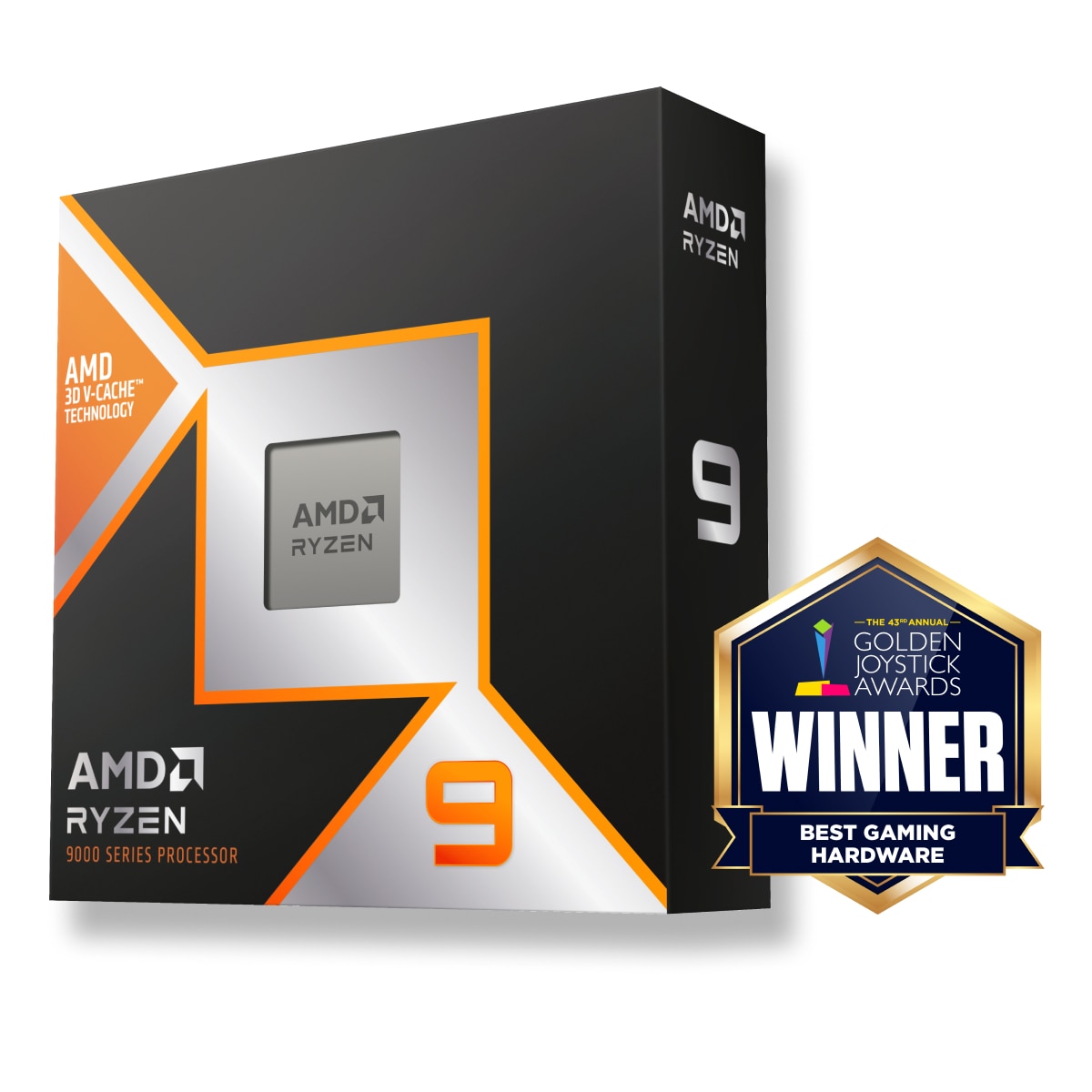
A high-performance mobile processor designed for gamers and demanding creators.
The Verdict
AI-generated from listing dataProduct A offers more cores and higher cache for multi-threaded workloads but needs advanced cooling; Product B delivers higher single‑core speeds and larger total cache but consumes far more power.
Key differences
- •Core count & architecture: A has 16 mixed cores (4P+8E+4LP) vs B's 8 high‑performance cores.
- •Cache size: A provides 18 MB Smart Cache; B provides 96 MB total (L3) cache.
- •Power & cooling: A's max 80 W turbo TDP vs B's fixed 120 W TDP, requiring stronger cooling for B.
- •Process technology: A uses Intel 18A node; B uses TSMC 4 nm (CPU) & 6 nm (I/O).
- •Integrated graphics: A has Intel Graphics (unspecified specs); B has AMD Radeon Graphics (2 cores, 2.2 GHz).
Performance
B's 5.2 GHz boost and 96 MB cache give stronger single‑thread and overall performance despite fewer cores.
Build quality
Both are flagship silicon from leading manufacturers; no factual difference in build quality provided.
Connectivity
B supports PCIe 5.0 and DDR5; A's connectivity features are not specified.
Power & efficiency
A's max turbo 80 W vs B's 120 W TDP makes A more power‑efficient for multi‑core loads.
Compatibility
B uses the widely adopted AM5 socket; A requires the specific FCBGA2540 socket.
Price & value
Pricing for both is undisclosed; cannot determine value advantage.
Warranty & support
No warranty or support details are provided for either product.
Choose Intel Core Ultra 7 Processor 356H if…
Developers or creators needing many threads and lower power envelope, with adequate cooling solutions.
Choose AMD Ryzen 7 9800X3D if…
Gamers and enthusiasts prioritizing peak single‑core speed and latest I/O standards, willing to handle higher power draw.
Common questions
Which CPU offers better multi‑threaded performance?
A, with 16 cores (4P+8E+4LP) and 18 MB cache, is designed for higher parallel workloads.
Will I need a special motherboard for either chip?
A requires an FCBGA2540 socket board; B requires an AM5 motherboard, which may be more common.
How do the power requirements compare?
A peaks at 80 W turbo; B has a fixed 120 W TDP, meaning B consumes significantly more power.