



Full Spectrum Warrior: Ten Hammers vs Police Quest: SWAT
Side-by-side comparison of features, pricing, ratings, and alternatives.
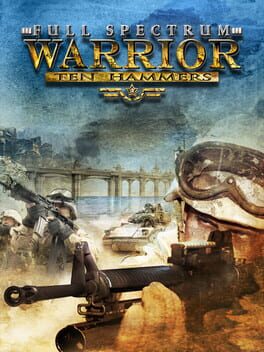
Full Spectrum Warrior: Ten Hammers puts you in the role of Squad Leader, commanding multiple infantry squads through over 12 action‑packed levels. The game blends authentic combat tactics with a modern arsenal, letting you coordinate fire, maneuver units, and call in mechanized support. The sequel adds robust multiplayer options, including two‑player co‑op and competitive modes for up to eight players, delivering both solo and team‑based tactical experiences on PC and PlayStation 2.
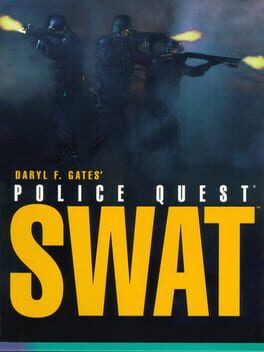
Police Quest: SWAT puts you in the shoes of a tactical police unit, demanding careful planning and precise execution. The game blends strategy, simulation, and action as you coordinate squads, manage equipment, and respond to high‑risk incidents. Released in 1995 for PC and Mac, the title offers a gritty, methodical experience that challenges players to think like real‑world law enforcement while navigating the limitations of 1990s graphics and interface design.
- Deep squad‑level tactical control
- Authentic military equipment and weapons
- Robust multiplayer offering both co‑op and competitive modes
- Support for both PC and PlayStation 2
- Deep tactical planning
- Authentic police procedures
- Challenging single‑player experience
- Historical retro appeal
- Graphics are dated by modern standards
- Steep learning curve for new RTS players
- Limited map variety beyond the main campaign
- Outdated graphics and UI
- Steep learning curve
- Limited replay variety
More alternatives & similar tools
Alternatives to Full Spectrum Warrior: Ten Hammers
View all →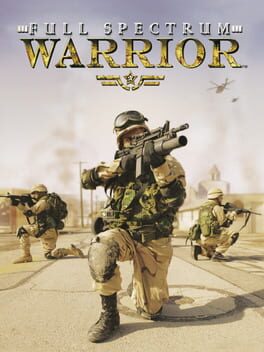
Lead your squad through realistic infantry combat in a tactical real‑time strategy experience.
Alternatives to Police Quest: SWAT
View all →
The Verdict
AI-generated from listing dataFull Spectrum Warrior: Ten Hammers offers better overall value with higher reviews, multiplayer modes, and newer graphics, while Police Quest: SWAT is a niche retro police sim with lower scores.
Key differences
- •Multiplayer: Ten Hammers includes co‑op and competitive modes; SWAT is single‑player only.
- •Critical reception: Ten Hammers scored 65/100 versus SWAT's 37/100.
- •Release era: Ten Hammers (2006) has newer graphics and tech than SWAT (1995).
- •Theme focus: Ten Hammers is military RTS; SWAT is police procedural simulation.
Gameplay & fun factor
Ten Hammers provides squad‑level RTS combat and varied multiplayer, rated higher by critics.
Platform availability
Ten Hammers runs on PC and PlayStation 2; SWAT listed only for PC.
Price & value
Both games cost $19.99, offering similar monetary cost.
Multiplayer / co‑op
Ten Hammers supports co‑op and up‑to‑8 player competitive matches; SWAT is single‑player only.
Content & replayability
Ten Hammers offers 12 campaign missions plus multiplayer maps; SWAT has limited replay variety.
Difficulty & accessibility
Both note a steep learning curve for newcomers.
Graphics & performance
Ten Hammers (2006) has newer graphics, though still dated; SWAT (1995) is older and more outdated.
Choose Full Spectrum Warrior: Ten Hammers if…
Buyers who want modern‑ish RTS action, multiplayer, and higher critical praise.
Choose Police Quest: SWAT if…
Buyers seeking a retro police‑procedure simulation and don't need multiplayer.
Common questions
Do both games support multiplayer?
Ten Hammers includes co‑op and competitive multiplayer; SWAT is single‑player only.
Which game has better reviews?
Ten Hammers has a critic score of 65/100, while SWAT scored 37/100.
Are the graphics comparable?
Both are dated, but Ten Hammers (2006) is newer and generally looks better than SWAT (1995).