



Empires: Dawn of the Modern World vs Empire Earth II: The Art of Supremacy
Side-by-side comparison of features, pricing, ratings, and alternatives.
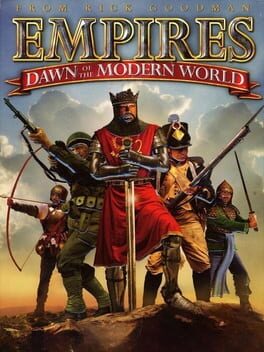
Empires: Dawn of the Modern World lets players lead civilizations from the Renaissance to the modern era, blending deep strategic planning with fast‑paced combat. With a robust single‑player campaign and extensive multiplayer modes, the game offers countless scenarios for both solo and cooperative play.
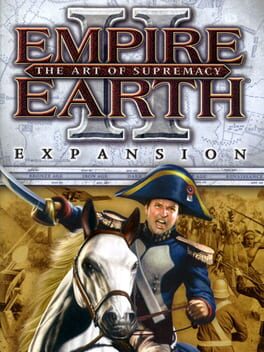
Empire Earth II: The Art of Supremacy is the official expansion to the acclaimed real-time strategy game, transporting players back to the front lines of historical and futuristic warfare. Experience diverse new battlefields ranging from the icy Russian plains to scorching African deserts while commanding unique civilizations with distinct advantages. Featuring brand-new single-player campaigns, advanced tactical gameplay options, and expanded multiplayer modes, this title challenges players to cement their legacy as the greatest leaders across past, present, and future epochs.
- Deep historical depth across multiple eras
- Robust multiplayer with co‑op options
- Strategic resource and tech management
- High replayability with varied scenarios
- Adds interesting new civilizations and units
- Engaging historical and futuristic campaigns
- Expands upon the solid mechanics of the base game
- Includes diverse and challenging new battlefield environments
- Graphics are dated by modern standards
- Steep learning curve for newcomers
- Limited mod support
- Mixed critical reception compared to the original game
- Can suffer from steep learning curve and dated visuals
- Multiplayer community is largely inactive today
More alternatives & similar tools
Alternatives to Empires: Dawn of the Modern World
View all →
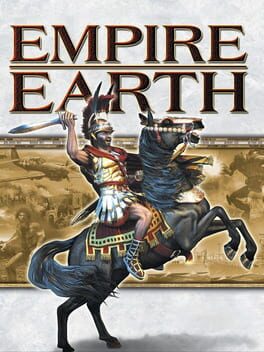
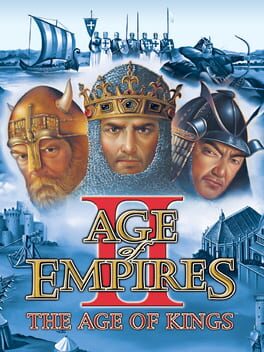
Lead historic civilizations to victory in timeless real‑time strategy battles.
Alternatives to Empire Earth II: The Art of Supremacy
View all →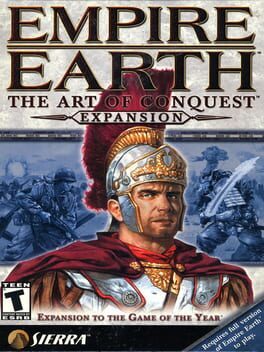
Expand your historical empire across time from Ancient Rome to 24th Century Mars.
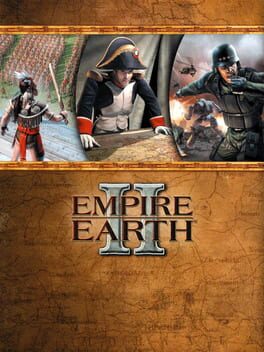
Lead civilizations through 15 epochs of human history in this epic real-time strategy game.
The Verdict
AI-generated from listing dataEmpires: Dawn of the Modern World (Product B) is the safer default thanks to higher critical acclaim and stronger multiplayer support, though its graphics are older than Empire Earth II: The Art of Supremacy (Product A).
Key differences
- •Critic scores: B 80/100 vs A 60/100.
- •Multiplayer: B supports up to 16-player competitive and co‑op; A’s multiplayer community is largely inactive.
- •Content focus: A adds new civilizations and futuristic campaigns; B spans six epochs with a detailed tech tree.
- •Graphics: A’s visuals are dated but newer (2006); B’s graphics are older (2003) and also dated.
- •Pricing detail: B lists MSRP $49.99; A’s price not specified beyond “paid one‑time”.
Gameplay & fun factor
B offers deep resource, tech, and diplomacy systems across six epochs, praised by critics (80/100).
Platform availability
Both are PC‑only RTS titles; no difference in platform.
Price & value
B provides a clear MSRP ($49.99) and higher critic score, indicating better value for money.
Multiplayer / co‑op
B supports up to 16‑player competitive and co‑op campaigns; A’s multiplayer community is largely inactive.
Content & replayability
A adds brand‑new civilizations, futuristic campaigns, and varied environments like wintry plains and deserts.
Difficulty & accessibility
Both have steep learning curves; neither is noted as more accessible.
Graphics & performance
Both are dated, but B’s older 2003 engine is explicitly called “dated by modern standards”; A’s visuals are also dated but newer.
Choose Empires: Dawn of the Modern World if…
Players prioritizing critical acclaim, robust multiplayer/co‑op, and deep historical strategy.
Choose Empire Earth II: The Art of Supremacy if…
Players craving fresh civilizations and futuristic scenarios, willing to tolerate limited multiplayer.
Common questions
Which game has better multiplayer support?
Empires: Dawn of the Modern World (Product B) supports up to 16 players and co‑op, while A’s multiplayer community is largely inactive.
Is there a price difference?
Product B lists an MSRP of $49.99; Product A is a paid one‑time purchase but no specific price is provided.
Which title received higher critical scores?
Product B received an 80/100 critic score, compared to Product A's 60/100.