



Empire Earth vs Kohan: Immortal Sovereigns
Side-by-side comparison of features, pricing, ratings, and alternatives.
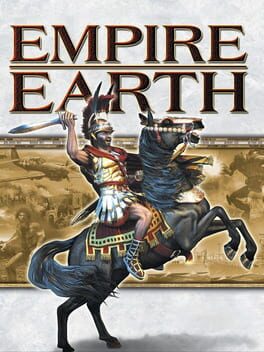
Empire Earth lets players guide humanity from the prehistoric age to the future, offering a massive timeline of 15 distinct epochs. Its deep tech trees and varied units let you wage wars across centuries, from stone‑age spears to laser‑armed drones. The game features both a robust single‑player campaign and extensive multiplayer modes, supporting up to eight players in massive battles that test strategic planning and resource management.
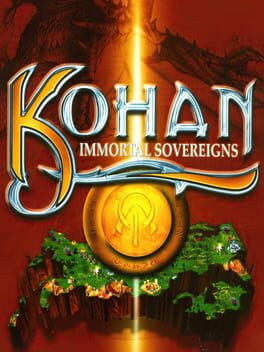
Kohan: Immortal Sovereigns is a real‑time strategy game set in a richly detailed fantasy world. Players command armies, manage resources, and influence the political landscape through a unique “Dynamic War” system. The game offers both a deep single‑player campaign and robust multiplayer modes, including co‑operative play, allowing strategic minds to clash or collaborate across Linux and PC platforms.
- Extensive timeline covering prehistoric to futuristic eras
- Deep and varied tech trees for strategic diversity
- Robust multiplayer supporting up to eight players
- Active modding community with tools provided
- Deep strategic depth with a unique war system
- Strong modding community and tools
- Cross‑platform support for Linux and PC
- Engaging single‑player and multiplayer modes
- Steep learning curve for new RTS players
- Graphics are dated by modern standards
- AI can be inconsistent in higher difficulty levels
- Steep learning curve for new RTS players
- Graphics are dated by modern standards
- Limited official multiplayer matchmaking
More alternatives & similar tools
Alternatives to Empire Earth
View all →
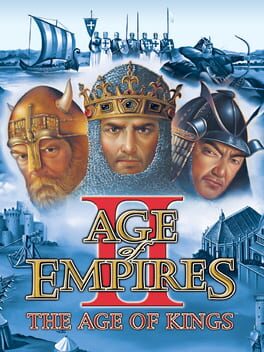
Lead historic civilizations to victory in timeless real‑time strategy battles.
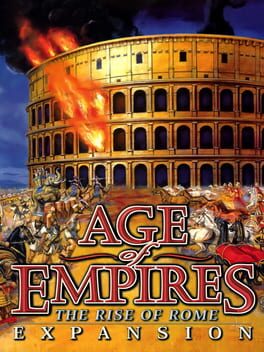
Expand your empire with historic Roman campaigns and deep strategy
Alternatives to Kohan: Immortal Sovereigns
View all →
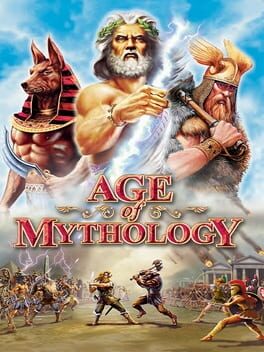
The Verdict
AI-generated from listing dataBoth are classic 2001 RTS titles with steep learning curves and dated graphics, but Empire Earth offers a broader historical scope while Kohan focuses on deep fantasy warfare and cross‑platform support.
Key differences
- •Empire Earth spans 15 epochs from prehistoric to futuristic, whereas Kohan is set in a single fantasy world.
- •Kohan includes built‑in cross‑platform Linux support; Empire Earth is Windows‑only (not specified).
- •Kohan’s war system dynamically changes territory ownership and resource flow; Empire Earth uses a traditional resource model.
- •Price: Empire Earth $49.99 vs. Kohan $29.99, making Kohan cheaper upfront.
- •Multiplayer matchmaking: Kohan notes limited official matchmaking; Empire Earth offers customizable online/LAN matches.
Gameplay & fun factor
Empire Earth’s 15 epochs and varied tech trees provide broader strategic variety than Kohan’s single‑setting fantasy.
Platform availability
Kohan explicitly supports Linux and PC; no platform info given for Empire Earth beyond standard PC.
Price & value
Kohan costs $29.99 versus Empire Earth's $49.99, offering lower entry cost for similar critic scores.
Multiplayer / co‑op
Both support up to 8 players, but Empire Earth includes LAN customization; Kohan notes limited official matchmaking.
Content & replayability
Empire Earth’s 15 epochs, map editor, and mod tools give more long‑term replay potential than Kohan’s three factions.
Difficulty & accessibility
Both list a steep learning curve and similar critic scores; no data shows one is easier.
Graphics & performance
Both are described as having dated graphics; no comparative performance data provided.
Choose Empire Earth if…
Players who want extensive historical breadth and deep modding tools.
Choose Kohan: Immortal Sovereigns if…
Players who prefer fantasy setting, lower price, and Linux compatibility.
Common questions
Which game is cheaper?
Kohan: Immortal Sovereigns costs $29.99, while Empire Earth costs $49.99.
Do either of these run on Linux?
Kohan explicitly supports Linux; Empire Earth's platform support is not specified.
Which offers more varied single‑player content?
Empire Earth provides a campaign across 15 epochs, whereas Kohan focuses on a single fantasy setting.