



Dune 2000 vs Kohan: Immortal Sovereigns
Side-by-side comparison of features, pricing, ratings, and alternatives.
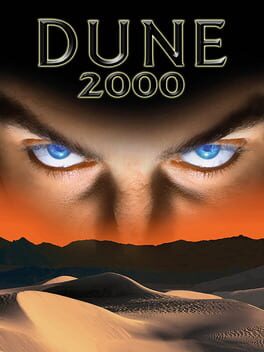
Dune 2000 brings the epic conflict of Arrakis to the PC, letting players command the noble Atreides, ruthless Harkonnen, or mysterious Ordos in fast‑paced, base‑building battles. With updated graphics and refined mechanics, the game modernizes the beloved 1992 original while preserving its strategic depth.
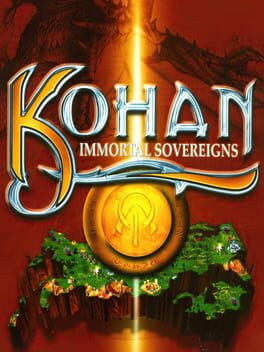
Kohan: Immortal Sovereigns is a real‑time strategy game set in a richly detailed fantasy world. Players command armies, manage resources, and influence the political landscape through a unique “Dynamic War” system. The game offers both a deep single‑player campaign and robust multiplayer modes, including co‑operative play, allowing strategic minds to clash or collaborate across Linux and PC platforms.
- Deep strategic gameplay
- Three distinct, balanced factions
- Robust multiplayer options
- Iconic Dune setting
- Deep strategic depth with a unique war system
- Strong modding community and tools
- Cross‑platform support for Linux and PC
- Engaging single‑player and multiplayer modes
- Outdated graphics by modern standards
- Limited unit variety compared to newer RTS titles
- Steep learning curve for newcomers
- Steep learning curve for new RTS players
- Graphics are dated by modern standards
- Limited official multiplayer matchmaking
More alternatives & similar tools
Alternatives to Dune 2000
View all →

Epic fantasy RTS expansion with new heroes, races, and endless multiplayer battles.

Alternatives to Kohan: Immortal Sovereigns
View all →
The Verdict
AI-generated from listing dataBoth are classic RTS titles with deep strategy, but Dune 2000 offers a more iconic setting and three balanced factions, while Kohan provides a unique dynamic war system and stronger modding support.
Key differences
- •Setting: Dune 2000 is sci‑fi desert world; Kohan is epic fantasy.
- •Dynamic war system: Only Kohan changes territory ownership in real time.
- •Modding: Kohan includes robust tools for community‑created content; Dune 2000 does not.
- •Multiplayer scope: Dune 2000 supports LAN/online matches; Kohan supports up to eight players and co‑op.
- •Graphics era: Both dated, but Dune 2000’s visuals are older (1998 vs 2001).
Gameplay & fun factor
Kohan’s dynamic war system and deep tech tree add more strategic variety than Dune 2000’s static missions.
Platform availability
Kohan supports Linux and PC; Dune 2000 is listed for PC only.
Price & value
Both cost $29.99 one‑time, offering comparable monetary value.
Multiplayer / co‑op
Kohan allows up to eight players and cooperative modes; Dune 2000 offers only LAN/online matches without co‑op.
Content & replayability
Kohan’s modding tools and dynamic territory changes extend replay life beyond Dune 2000’s fixed campaigns.
Difficulty & accessibility
Both have steep learning curves, but Dune 2000’s AI adapts and its three balanced factions are easier to grasp than Kohan’s deeper tech tree.
Graphics & performance
Kohan (2001) has slightly newer graphics than Dune 2000 (1998), though both are dated by modern standards.
Choose Dune 2000 if…
Fans of the Dune universe who want classic RTS with straightforward faction balance.
Choose Kohan: Immortal Sovereigns if…
Players seeking deeper strategic systems, modding freedom, and broader platform support.
Common questions
Do either of these games require ongoing subscriptions?
No. Both are one‑time purchases with no subscription fees.
Which game has better multiplayer options?
Kohan supports up to eight players and cooperative modes; Dune 2000 offers only standard LAN/online matches.
Is there community‑created content available?
Kohan provides robust modding tools for user‑made units, maps, and tweaks; Dune 2000 does not include modding support.