



Amberstar vs Pillars of Eternity
Side-by-side comparison of features, pricing, ratings, and alternatives.
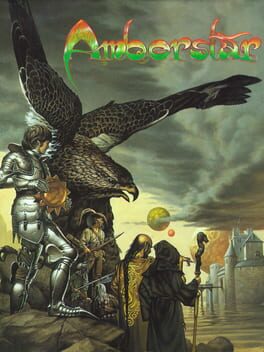
Set a thousand years ago in the world of Lyramion, Amberstar follows the hero's quest to prevent the resurrection of Lord Tarbos, the God of Chaos. The story unfolds as the black magus Marmion attempts to free Tarbos from his lunar prison, threatening the realm with darkness. Explore a richly detailed fantasy world, battle fierce warriors and monsters, solve intricate puzzles, and uncover hidden treasures. The game blends classic role‑playing mechanics with strategic combat and a deep narrative, delivering a nostalgic yet challenging experience for fans of early 90s RPGs.
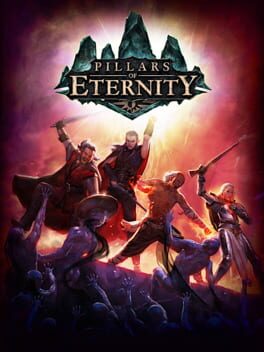
Prepare to be enchanted by a world where the choices you make and the paths you choose shape your destiny. Recapture the deep sense of exploration, the joy of a pulsating adventure, and the thrill of leading your own band of companions across a new fantasy realm and into the depths of monster-infested dungeons in search of lost treasures and ancient mysteries. So gather your party, venture forth, and embrace adventure as you delve into a realm of wonder, nostalgia, and the excitement of classic RPGs with Obsidian's Pillars of Eternity. Experience tactical real-time-with-pause combat and a rich, reactive story penned by veteran role-playing game creators.
- Deep fantasy narrative with memorable characters.
- Strategic turn‑based combat adds tactical depth.
- Extensive world exploration with varied environments.
- Challenging puzzles that reward clever thinking.
- Deep, reactive narrative with memorable companions
- Tactical and rewarding real-time-with-pause combat system
- Rich atmospheric world reminiscent of classic isometric RPGs
- Extensive character customization and build variety
- Dated graphics may not appeal to modern gamers.
- Limited user interface can feel clunky.
- No multiplayer or co‑op options.
- Heavy amounts of reading and exposition may deter casual players
- Steep learning curve for newcomers to classic tactical CRPGs
- Inventory and micro-management can occasionally feel cumbersome
More alternatives & similar tools
Alternatives to Amberstar
View all →
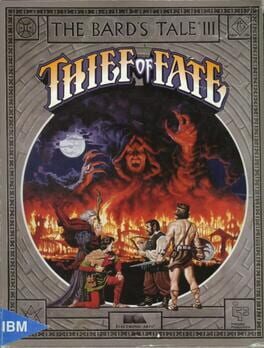
Journey through time‑warped realms to stop the Mad God Tarjan.
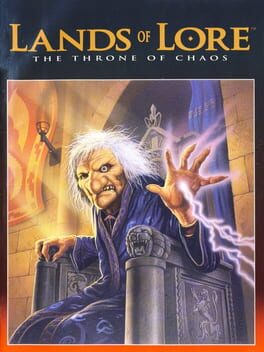
Embark on a heroic quest to save a dying king and defeat an immortal sorceress.
Alternatives to Pillars of Eternity
View all →



The Verdict
AI-generated from listing dataPillars of Eternity offers modern graphics, real‑time‑with‑pause combat and extensive customization for $29.99, while Amberstar provides classic 90s pixel art, turn‑based combat and a larger open world for $49.99.
Key differences
- •Combat style: real‑time‑with‑pause (Pillars) vs turn‑based (Amberstar).
- •Graphics era: 2015 high‑resolution isometric (Pillars) vs 1992 pixel art (Amberstar).
- •Price: $29.99 (Pillars) vs $49.99 (Amberstar).
- •Content scope: Pillars focuses on narrative depth; Amberstar emphasizes a huge open world and puzzles.
- •Release era: modern support and polish (Pillars) vs dated UI and limited polish (Amberstar).
Gameplay & fun factor
Pillars' tactical real‑time‑with‑pause combat is praised for depth and positioning, matching its 81/100 critic score.
Platform availability
Both are single‑player PC titles; no platform differences are specified.
Price & value
Pillars costs $29.99 versus Amberstar's $49.99, offering lower upfront cost for comparable single‑player RPG experience.
Multiplayer / co‑op
Both are single‑player only; no multiplayer options for either.
Content & replayability
Amberstar features a large open world, non‑linear progression, and many puzzles, suggesting higher exploration replay value.
Difficulty & accessibility
Amberstar's turn‑based combat is generally more accessible to newcomers than Pillars' steep learning curve.
Graphics & performance
Pillars uses modern 2015 graphics and isometric view, whereas Amberstar's 1992 pixel art may feel dated.
Choose Amberstar if…
Players who prefer classic pixel art, turn‑based strategy, and a massive open world to explore.
Choose Pillars of Eternity if…
Players who want modern visuals, deep narrative, and tactical real‑time combat at a lower price.
Common questions
Which game is cheaper?
Pillars of Eternity costs $29.99; Amberstar costs $49.99.
Do either of these games support multiplayer?
No, both are single‑player only.
What combat style does each game use?
Pillars uses real‑time‑with‑pause tactical combat; Amberstar uses turn‑based tactical combat.